
Brazil Industrial Absorbent Market: AI-Powered Innovations Driving Efficiency and Sustainability
The Brazil industrial absorbent market is entering a new era of digital transformation as artificial intelligence (AI) becomes increasingly integrated into industrial safety, environmental management, and spill control operations. The market was valued at USD 164.52 billion in 2025 and is projected to reach approximately USD 293.41 billion by 2035, growing at a CAGR of 5.96% from 2026 to 2035.
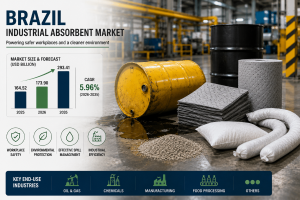
As industries across Brazil face mounting pressure to improve operational efficiency, comply with environmental regulations, and reduce workplace hazards, AI-powered technologies are emerging as critical tools for optimizing absorbent usage and spill management processes. From predictive maintenance and smart monitoring systems to automated environmental reporting, AI is helping organizations transition from reactive spill response to proactive risk prevention.
Download the Sample: https://www.precedenceresearch.com/sample/4282
AI Overview: Transforming Industrial Spill Management
Industrial absorbents have long been essential products for controlling spills, containing hazardous materials, and protecting industrial facilities from environmental and operational risks. However, traditional spill management approaches often rely on manual inspections, periodic monitoring, and reactive response measures.
Artificial intelligence is changing this landscape by introducing intelligent systems capable of continuously monitoring equipment, predicting failures, analyzing environmental conditions, and optimizing absorbent deployment strategies in real time.
By processing large volumes of operational data from sensors, machinery, and industrial networks, AI enables organizations to identify potential spill risks before incidents occur. This predictive capability is becoming increasingly valuable in industries such as oil & gas, manufacturing, mining, chemicals, logistics, and energy production, where spill prevention directly impacts safety, profitability, and compliance.
As Brazil accelerates its adoption of Industry 4.0 technologies, AI is becoming a key driver of innovation within the industrial absorbent market.
AI Use Cases in the Brazil Industrial Absorbent Market
Predictive Spill Prevention
- One of the most important applications of AI is the ability to predict leaks and spills before they happen. Machine learning algorithms continuously analyze equipment performance data, fluid pressure, vibration patterns, and temperature readings to detect abnormalities that may indicate potential failures.
- This allows companies to intervene early, preventing costly spills while reducing the amount of absorbent materials required for emergency response.
Smart Absorbent Inventory Management
- Industrial facilities often struggle to balance absorbent inventory levels. Excess stock increases costs, while shortages create operational risks.
- AI-powered inventory systems analyze historical spill patterns, production schedules, maintenance activities, and operational risks to forecast absorbent requirements accurately. This helps companies maintain optimal inventory levels while minimizing waste and storage expenses.
Environmental Compliance Monitoring
- Brazil’s environmental regulations continue to evolve, increasing pressure on industries to document spill incidents, waste management activities, and environmental performance.
- AI-driven compliance platforms automate data collection, generate reports, and identify regulatory gaps. These systems simplify compliance management while reducing administrative workloads and improving transparency.
Intelligent Waste Management
- Disposal of contaminated absorbents can be both costly and environmentally challenging. AI systems can analyze absorbent usage patterns, contamination levels, and disposal requirements to optimize waste handling procedures.
- This improves sustainability while helping companies reduce disposal costs and meet environmental objectives.
Real-Time Spill Response Optimization
- When spills occur, rapid response is critical. AI-powered systems can evaluate incident severity, identify affected areas, recommend appropriate absorbent products, and coordinate emergency response efforts.
- These capabilities help minimize environmental damage, reduce cleanup costs, and improve workplace safety outcomes.
Smart Manufacturing Integration
- Industrial absorbents are becoming part of connected industrial ecosystems. AI can integrate absorbent management systems with IoT sensors, production equipment, and facility monitoring platforms.
- This enables automated spill detection, immediate response alerts, and real-time risk assessment throughout industrial facilities.
Industry Examples of AI Adoption
Several industrial sectors in Brazil are already exploring AI-powered technologies to enhance environmental protection and operational efficiency.
Oil and Gas Operations
- Oil refineries, fuel terminals, and offshore facilities are deploying AI-enabled monitoring systems to detect pipeline leaks, storage tank abnormalities, and equipment failures. These technologies help operators reduce spill risks while optimizing absorbent deployment during maintenance and emergency situations.
Manufacturing Facilities
- Manufacturers are using AI-powered predictive maintenance solutions to identify machinery failures before leaks occur. By preventing lubricant, coolant, and hydraulic fluid spills, these systems improve operational efficiency while reducing absorbent consumption.
Mining Industry
- Brazil’s mining sector is increasingly investing in AI-driven environmental monitoring systems. These solutions track equipment health, monitor fluid handling operations, and support spill prevention programs across mining sites.
Chemical Processing Plants
- Chemical facilities are leveraging AI to monitor storage systems, production processes, and transportation networks. Intelligent analytics help reduce the likelihood of hazardous material releases while improving emergency preparedness.
Logistics and Transportation
- Warehouses, ports, and transportation operators are adopting AI-powered risk assessment tools to manage fuel spills, chemical leaks, and hazardous material incidents more effectively.
The Future Impact of AI on the Brazil Industrial Absorbent Market
Artificial intelligence (AI) is poised to transform the Brazil industrial absorbent market by improving operational efficiency, enhancing environmental compliance, and enabling smarter spill management solutions. As industries across Brazil increasingly adopt digital technologies and Industry 4.0 practices, AI-driven systems are expected to play a crucial role in optimizing the use, monitoring, and disposal of industrial absorbents.
AI-Powered Spill Detection and Prevention
- One of the most significant applications of AI in the industrial absorbent market is real-time spill detection. AI-enabled sensors and monitoring systems can continuously analyze equipment performance, fluid levels, pressure changes, and operational conditions to identify potential leaks before they become major incidents.
- By detecting abnormalities early, industries can deploy absorbent materials more effectively, minimize product losses, and prevent environmental contamination. This proactive approach reduces cleanup costs while improving workplace safety and regulatory compliance.
Predictive Maintenance Reducing Spill Risks
- Industrial equipment failures are a leading cause of oil, chemical, and lubricant spills. AI-powered predictive maintenance solutions use machine learning algorithms to analyze equipment data and identify signs of wear, corrosion, or malfunction before breakdowns occur.
- Manufacturers, mining companies, chemical processors, and energy operators can use these insights to schedule maintenance activities proactively, significantly reducing the likelihood of unexpected leaks and the demand for emergency spill response measures.
Smart Inventory Management for Absorbent Products
- AI is helping organizations optimize absorbent inventory management by analyzing consumption patterns, operational risks, and historical spill data.
- Advanced analytics platforms can predict absorbent product requirements based on facility operations, seasonal trends, and industry-specific risks. This enables businesses to maintain adequate stock levels while minimizing storage costs and product wastage.
Enhancing Sustainability Through Intelligent Resource Management
- Sustainability is becoming a key priority for industrial operators across Brazil. AI can support environmental objectives by optimizing absorbent usage and reducing waste generation.
- Machine learning systems can analyze spill response effectiveness, recommend the most suitable absorbent materials for specific applications, and improve disposal processes. These capabilities help companies reduce environmental impact while achieving ESG and sustainability goals.
- Furthermore, AI can assist manufacturers in developing next-generation biodegradable and recyclable absorbent products by accelerating material research and performance testing.
AI-Driven Compliance and Environmental Reporting
- Environmental regulations in Brazil continue to evolve, requiring companies to maintain accurate records of spill incidents, waste disposal activities, and environmental protection measures.
- AI-powered compliance management platforms can automatically collect operational data, generate reports, track regulatory requirements, and identify potential compliance risks. This reduces administrative burdens while improving transparency and audit readiness.
Improving Emergency Response Capabilities
- In industries such as oil & gas, mining, chemicals, and transportation, rapid spill response is critical. AI-based systems can analyze incident data in real time and recommend optimal containment strategies, absorbent deployment plans, and resource allocation.
- These intelligent response systems enable organizations to act faster during emergencies, reducing environmental damage and minimizing operational disruptions.
Supporting Smart Manufacturing and Industry 4.0
- As Brazilian industries continue their digital transformation journey, AI-integrated absorbent management systems will become part of broader smart factory ecosystems.
- Connected sensors, IoT devices, and AI analytics platforms can work together to monitor production environments continuously, identify spill risks, and automate preventive actions. This integration enhances operational efficiency while reducing safety and environmental risks.
Read More: Cryptocurrency Mining Market
Future Outlook
Artificial intelligence is transforming the Brazil industrial absorbent market from a reactive safety segment into a proactive, data-driven industry. By enabling predictive maintenance, intelligent spill prevention, automated compliance management, and optimized absorbent utilization, AI is helping organizations improve efficiency while reducing environmental risks.
As Brazil’s industrial sector continues its digital transformation journey, AI-driven innovation will become increasingly important for manufacturers, energy companies, mining operators, and chemical producers. Organizations that invest in intelligent spill management technologies today will be better positioned to enhance safety, achieve sustainability objectives, and maintain regulatory compliance in the years ahead.
For report inquiries and custom research requirements, please contact our analyst team at sales@precedenceresearch.com |+1 804 441 9344